Quality education, high quality of life
Study in Australia
Highly ranked universities, vibrant student cities and a relaxed lifestyle.
Overview
Why study in Australia?
Australia offers internationally respected universities, a safe and welcoming environment, and some of the world's most liveable cities, including Melbourne, Sydney, Brisbane and Perth.
Australian institutions are known for practical, industry-linked teaching and strong student support services, and several Australian universities appear regularly among the world's top institutions.
Top universities
Several Australian universities rank among the world's best.
Post-study work
Eligible graduates may apply for the Temporary Graduate visa.
Safe environment
Student-friendly cities with strong support services.
Quality of life
High living standards and an outdoor lifestyle.
Diverse culture
A multicultural society that welcomes international students.
Flexible programmes
Pathways through foundation and diploma programmes.
Higher education
The education system in Australia
Australia has public and private universities as well as vocational education and training (VET) providers. Courses for international students must be registered on CRICOS. Bachelor's degrees usually take three to four years and master's degrees one to two years.
Types of institutions
Options include the Group of Eight research universities, other public universities, private higher education providers and TAFE institutes. Students can also enter degree programmes through foundation or diploma pathways.
Universities students often explore
- University of Melbourne
- Australian National University
- University of Sydney
- UNSW Sydney
- University of Queensland
- Monash University
Listed for information only. This does not imply a partnership or guaranteed admission.
Popular student cities
- Sydney (New South Wales)
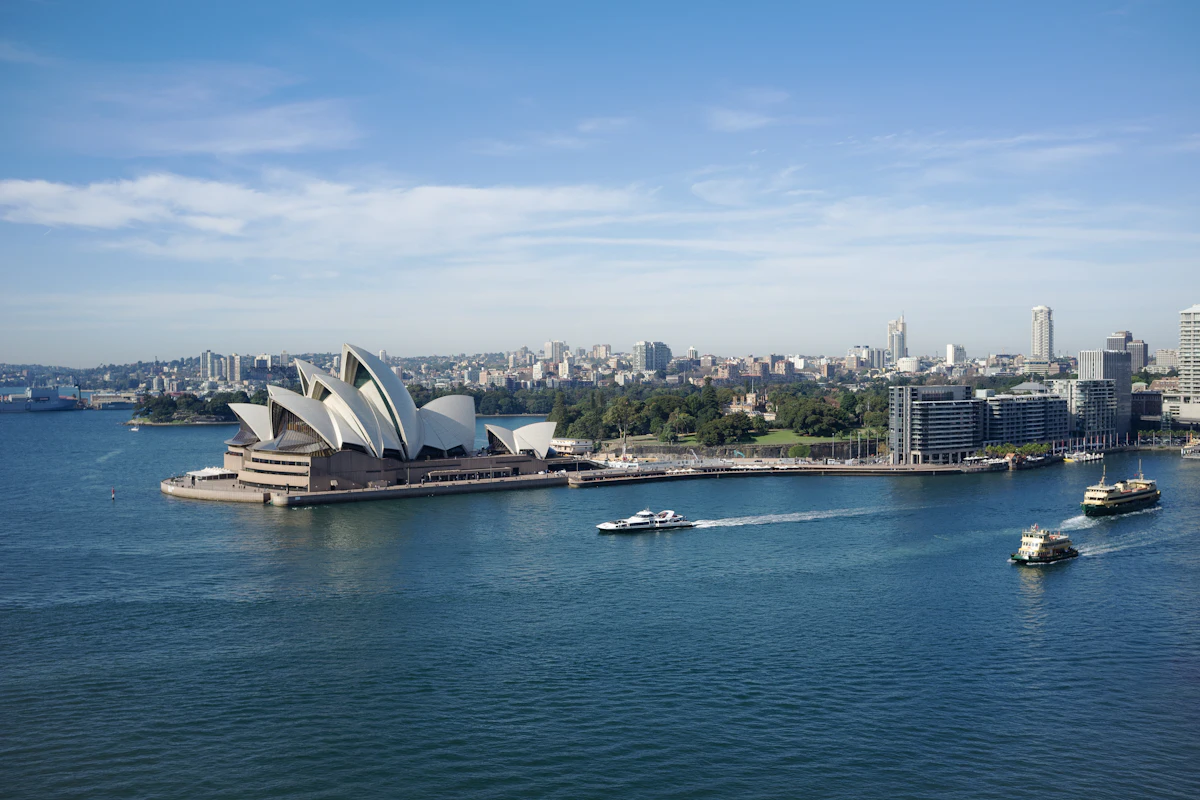
Harbour city with major universities and business districts. - Melbourne (Victoria)
A cultural capital known for liveability. - Brisbane (Queensland)
Subtropical climate and an outdoor lifestyle. - Perth (Western Australia)
Beaches, sunshine and a relaxed pace of life.
Programmes
Popular courses in Australia
Subject areas international students frequently choose. Availability and requirements vary by institution.
- Engineering
- Business Management
- Computer Science
- Data Science
- Nursing
- Accounting
- Public Health
Eligibility
General admission requirements
- Undergraduate: Class 12 or equivalent, with minimum marks set by each university.
- Postgraduate: a relevant bachelor's degree; some programmes require work experience.
- English proficiency test scores (IELTS, PTE, TOEFL or other accepted tests).
- GMAT for some business schools.
- A statement explaining your study plans, which also supports the Genuine Student requirement for the visa.
English language requirements
Universities set their own English requirements, which are often higher for postgraduate and professional programmes. The Department of Home Affairs also sets minimum English requirements for the Student visa.
Documents commonly requested
- Valid passport
- Academic transcripts
- Statement of purpose
- Letters of recommendation
- English test score
- Resume or CV
- Financial documents
- Overseas Student Health Cover
- Police clearance, if requested
Exact requirements depend on the institution, programme and visa route.
Budget
Tuition, living costs and funding
Tuition varies by provider, course and level. Student visa applicants must show they have access to enough money for tuition, living costs and travel, and must hold Overseas Student Health Cover. Check the Department of Home Affairs for the current financial requirement and visa fee.
Fees and financial requirements change regularly. Always confirm current figures on the official and institution websites listed on this page.
Scholarships and funding options
Australia Awards
Australian government scholarships for students from eligible partner countries.
Destination Australia
Funding for students studying at eligible campuses in regional Australia.
University merit scholarships
Many universities offer awards based on academic excellence.
Research Training Program
Fee offsets and stipends for research master's and PhD students.
Visa
Student visa (subclass 500): overview
International students enrolled in a registered course usually apply for the Student visa (subclass 500).
Obtain your CoE
Receive a Confirmation of Enrolment after accepting your offer and paying the deposit.
Genuine Student requirement
Prepare answers and evidence showing you are a genuine student.
Arrange OSHC
Buy Overseas Student Health Cover for your visa duration.
Lodge your application
Apply online through ImmiAccount and pay the visa fee.
Health and biometrics
Complete health examinations and biometrics if requested.
Visa decisions are made solely by the relevant government authorities and cannot be guaranteed. Rules, fees and processing times change, so always check the official sources below. Learn about our visa guidance.
Planning
Intakes and application timeline
February intake
The main intake. Applications are often submitted between August and October.
July intake
A second major intake, with applications usually due between February and April.
November intake
Offered by some institutions for selected programmes.
We recommend starting 12 to 18 months before your intended intake. This leaves time for research, tests, applications, scholarships and your visa. Deadlines differ by institution, so we build a personal timeline for every student.
FAQ
Studying in Australia: common questions
Related destinations
You may also consider


Planning to study in Australia?
Talk to a counsellor about courses, universities and your next steps for Australia.